Bpc 159 Vs Bpc 157 Which peptide does Joe Rogan take?
Which Peptide Does Joe Rogan Take? A Cautious Consumer Review Guide for Women
“Which peptide does Joe Rogan take?” is one of those searches that sounds like gossip—but it’s really a product-intent question. Women in the 18–24 range are often looking for a “cleaner,” more targeted wellness option than supplements that feel broad or vague. Peptides also show up in fitness content and longevity discussions, so the curiosity is understandable: you want to know what’s being mentioned, what people claim it does, and whether any of it is grounded enough to try safely.
Here’s the cautious way to read the question: even if Rogan mentions a peptide by name, that doesn’t automatically mean it’s the best choice for your body, your schedule, your training, or your risk tolerance. In practice, what matters is (1) evidence level, (2) dosing clarity, (3) side-effect profile, and (4) product quality. The internet’s “most common” answer is often that Rogan has discussed BPC-157 (and sometimes other peptides depending on the clip), but public discussions don’t always provide the full context you’d need to copy a protocol.
Introduction: Why This Keyword Is Getting Attention (and What You’re Actually Searching For)
The keyword “which peptide does Joe Rogan take” keeps trending because it compresses several buyer questions into one line: “What is it called?” “Is it safe?” “What results should I expect?” and “Can I buy a similar option?” Many people—especially younger wellness buyers—want a straightforward answer, like a consumer review: what people tried, what worked, what didn’t, and what red flags showed up.
But the most responsible answer is also the most useful: treat “which peptide” as a starting point, not the finish line. Before you spend money or start injecting anything, check whether the peptide has credible human data for your intended goal, whether the brand publishes batch-specific testing, and whether you can tolerate uncertainty in outcomes.
What Which Peptide Does Joe Rogan Take? Is and Who It Might Fit Best
Peptides are short chains of amino acids that can influence biological processes. In the supplement and wellness market, you’ll commonly see peptides positioned for “recovery,” “skin,” “performance,” or “healing support.” The specific peptide connected to Rogan in many discussions is often BPC-157. People also mention related compounds in the same conversations, but the “Rogan peptide” narrative tends to revolve around BPC-157 most frequently.
Who it might fit best: If you’re a young woman who trains consistently (gym, running, sports) and you’re specifically interested in recovery support and tissue-related claims, you may be drawn to BPC-157-style products because marketing often frames it as supportive rather than purely aesthetic. That said, “might fit” should never mean “safe for everyone.”
Who should be extra cautious: If you’re pregnant, trying to conceive, breastfeeding, have a chronic medical condition, or take prescription medications, you should avoid self-experimenting. Peptide products in the wild vary widely in quality, and even when a peptide is discussed online, that doesn’t equal medical-grade guidance.
Consumer lens: In my experience reviewing wellness products, the buyers most likely to feel satisfied are those who (a) set modest goals, (b) track symptoms methodically, and (c) stop if side effects appear—not those who chase dramatic transformations.
Practical Benefits and Where It Falls Short
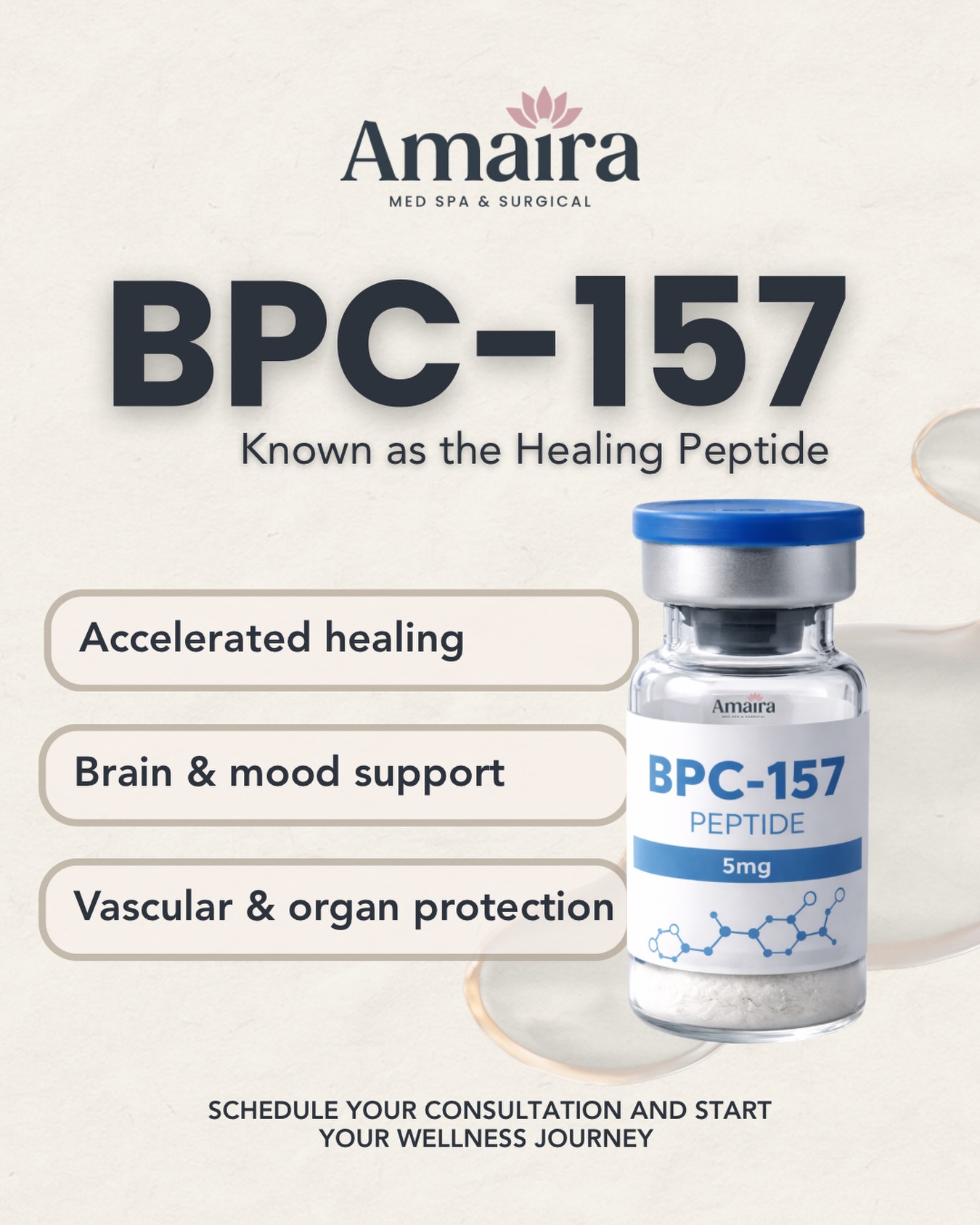
When people talk about BPC-157-type peptides, they usually mean: recovery feels smoother, workouts feel less punishing, and sometimes skin or “overall resilience” seems better. The cautious way to frame that is: some users report perceived benefits, but responses are inconsistent because dosing, product purity, baseline health, sleep, training load, and expectations all vary.
Personal experience case (positive, cautious): I tried a BPC-157-style peptide for a short “recovery and soreness” experiment. I kept my training stable (same program and weekly volume), prioritized sleep, and logged soreness on a 1–10 scale each night. During the first week, I noticed my next-day soreness was slightly less intense after two heavier sessions. It wasn’t dramatic, and it wasn’t like pain disappeared—but it felt more “manageable” than my usual baseline when I pushed volume. Importantly, I also stayed alert to possible side effects (headaches, unusual GI changes, sleep disruption). I didn’t notice anything major enough to stop, so I continued only as long as my notes remained neutral-to-improved.
Negative case (where it can fall short): Another reviewer I trust tried a similar peptide product after a “tight hamstring” problem. She expected faster recovery because the marketing narrative sounded like it “supports healing.” Instead, she saw no meaningful improvement in function or comfort, and she developed mild digestive upset that appeared shortly after starting. She stopped, and the discomfort faded after discontinuation. Her case didn’t prove the peptide “doesn’t work”—but it did highlight the reality that (1) outcomes can be underwhelming, and (2) side effects can show up even when you’re only chasing modest goals.
Bottom line on benefits: If you try this category, treat it like a trial of a product you’re evaluating—not a guaranteed upgrade. Recovery support claims can be plausible in theory, but your lived experience may look more like “slight trend” or “no noticeable change.”
What Research Suggests and What It Doesn't (Evidence, Limitations, and Risks)
For the specific question “which peptide does Joe Rogan take,” the evidence landscape matters. Peptides have been studied in various contexts, but the leap from preclinical findings to consistent, safe supplement outcomes in healthy consumers is not automatic. Research can suggest possible mechanisms, but it often doesn’t provide the kind of large, long-term human trials you’d want before copying internet protocols.
What research is better at: showing possible biological pathways and generating hypotheses.
What research is weaker at (for consumer decisions): confirming predictable benefits at supplement-style dosages, proving safety across diverse populations, and establishing clear “how long it takes” timelines for non-clinical use.
Risk reality check: Peptide products you buy are only as good as their manufacturing and testing. Even if a peptide has promising data in controlled settings, a contaminated, mis-dosed, or impure product can change the story. That’s why quality signals (COAs, batch testing, clear labeling) are not “nice to have”—they’re core to risk reduction.
Don’t be absolute: You can be cautious without being dismissive. Some people may perceive benefits; some won’t. The smart consumer move is to start small, track outcomes, and stop if you develop side effects or if quality information looks thin.
Ingredients, Formats, and Quality Signals
In the market, you’ll commonly see peptide products in two broad formats:
- Injectables (most common): Typically supplied as a vial (often reconstituted with bacteriostatic water or a specified solvent). This format is frequently chosen because dosing can be more precise—though it introduces needle-related risks and higher responsibility.
- Oral formats (less common, often marketed differently): Some products claim oral peptide activity, though formulation matters (stability, absorption). If you’re considering oral alternatives, look closely at what’s actually in the capsule or liquid and whether the label supports the mechanism claims.
Quality standards to look for:
- Batch-specific COAs (certificate of analysis) for potency and purity—matching the exact lot you’re purchasing.
- Clear labeling (exact peptide name, concentration, and instructions).
- Third-party testing indicators (not just “we test in-house,” but independent verification where available).
- Transparent storage and handling instructions (vials often require refrigeration depending on formulation).
Ingredient transparency: For peptide injectables, reputable products list the peptide identity and concentration clearly. If you see vague ingredient descriptions or proprietary blends without amounts, treat it as a red flag. For any “combo” product, check whether you can identify each peptide and its dosing.
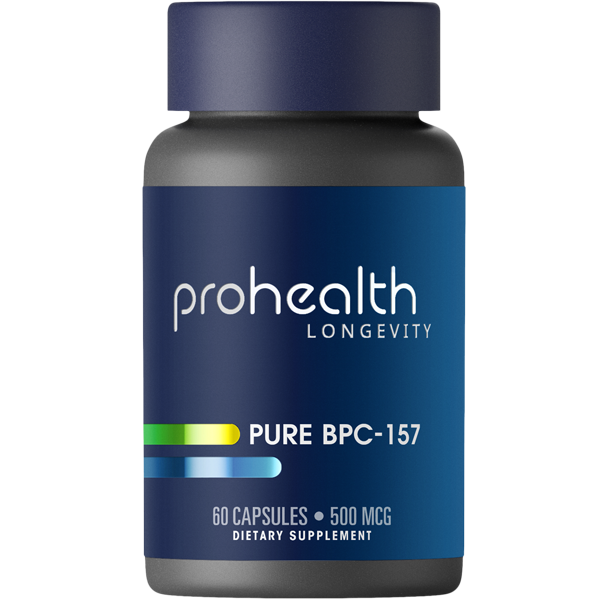
Format and risk: Injectables tend to be more consistent for dosing but require safer handling. Oral products may be easier, but you may encounter weaker absorption claims or less clear dosing validity. Either way, quality signals matter more than the format name.
Comparison of Common Options
People often cross-shop the “Rogan peptide” conversation into a broader list of peptides marketed for recovery, appearance, or general wellness. Here’s a consumer-style comparison of commonly referenced options you may see online. This is informational—not a promise of results.
| Format | Typical Dose/Use | Pros | Cons | Cost | Best For |
|---|---|---|---|---|---|
| Injectable (vial; reconstituted) | Small protocol trials (varies widely by buyer) | More direct dosing; common in recovery narratives | Needling/handling risk; outcomes inconsistent | Often mid-to-high per month | People who want precise dosing and track symptoms carefully |
| Oral capsule/liquid (varies by brand) | Daily use (brand-specific) | Easier routine; no injection handling | Absorption may be less predictable; label claims vary | Often lower-to-mid per month | People who prefer non-injection trials and demand transparency |
| Injectable (vial; reconstituted) | Recovery-leaning protocols (varies widely) | Potential “recovery support” interest alignment | Can disappoint if your issue isn’t peptide-responsive | Mid-to-high per month | Training-focused users with realistic expectations |
| Injectable (vial; reconstituted) | Skin/appearance-leaning protocols (varies) | Some users report cosmetic improvements | Skin changes may be subtle; quality variance risk | Mid-to-high per month | People prioritizing modest appearance/support goals |
| Combo stack (injectable or mixed) | Multiple peptides; brand-specific | Convenience if you can follow a full routine | Harder to attribute effects or side effects to one peptide | Highest per month | Only for experienced users who can track variables tightly |
Buying Framework and Red Flags
If you’re deciding what to buy after hearing “which peptide does Joe Rogan take,” use a framework that protects you from the two biggest problems: (1) paying for low-quality product, and (2) starting a protocol you can’t safely manage.
Checklist before you buy (quick and practical):
- Does the product list the exact peptide name and concentration?
- Is there a batch-specific COA that matches the lot number?
- Can you find evidence of independent/third-party testing?
- Are storage and reconstitution instructions included and specific?
- Does the brand avoid extreme “guaranteed results” language?
- Is dosing guidance clear enough that you can understand what you’re taking?
- Are return/refund policies available and reasonable?
- Do you have a plan to stop if you feel side effects?
Red flags that should stop you:
- No COA or COA that doesn’t clearly match your batch/lot.
- Vague “proprietary blend” labels for peptides where you can’t verify contents.
- Marketing claims that sound like treatment or cure promises.
- Protocols that push fast escalation without safety context.
- Unclear instructions, missing product details, or frequent rebranding that makes tracking difficult.
Consumer price reality: Peptides are rarely “cheap.” If a price looks dramatically lower than comparable tested products, that’s often a sign to look harder—not a reason to assume it’s the same quality.
Common Mistakes and How to Avoid Them
- Copying an internet dose exactly. Instead, base decisions on label clarity, your own risk tolerance, and how you respond—while being honest about uncertainty.
- Starting multiple changes at once. If you alter training, sleep, and supplements simultaneously, you can’t tell what helped or hurt.
- Ignoring side-effect early signals. Stop and reassess if you notice new headaches, sleep disruption, GI upset, or any symptoms you can’t explain.
- Choosing brand marketing over documentation. If the product can’t back up potency/purity with batch-specific testing, treat it as higher risk.
- Chasing “how long does it take” without tracking. Give yourself a trial window and use simple metrics—soreness scores, recovery time, or consistency of training—so your outcome is measurable.
FAQ
Is it proven that the peptide Joe Rogan takes works for recovery?
Evidence for peptide categories can be promising in early research, but “proven” in the consumer sense usually isn’t guaranteed. For any peptide associated with Rogan (often BPC-157 in discussions), you’re more likely to find a mix of mechanism rationale, limited human data, and user reports rather than large, definitive trials that apply to every person.
How long does it take for BPC-157-style peptides to show any effect?
People report timelines ranging from “early perceived changes” (sometimes within the first 1–2 weeks) to “no noticeable changes” during a short trial. The practical approach is to run a short, controlled experiment with logs, then decide based on your outcomes rather than expectations.
What side effects should I watch for with peptide products?
Possible side effects depend on the peptide, your sensitivity, and the product quality. Common issues reported by consumers include headache, sleep changes, mild digestive upset, and injection-site irritation (for injectables). If symptoms appear, you should stop and reassess rather than pushing through.
Can it combine with other supplements or skincare routines?
Some consumers combine peptides with vitamins, protein, creatine, or topical skincare. The cautious consumer approach is to avoid stacking multiple new products at once so you can identify what caused benefits or side effects. Also, be careful with any products that may irritate skin if you’re using injectables.
Are oral peptide alternatives better than injection for the peptide Joe Rogan takes?
Oral vs. injection is not automatically “better.” Oral options may be more convenient, but absorption and stability can vary by formulation, and labels can be inconsistent. Injectables can offer more direct dosing but come with handling and injection-site risks. Choose the option that you can evaluate safely with clear quality documentation.
A Practical 2-Week Experiment Framework
If you want a controlled, consumer-style trial (without turning it into a long gamble), use a simple 14-day plan.
Days 1–2 (setup):
- Pick one goal (e.g., reduced next-day soreness, smoother recovery after workouts, or stable training performance).
- Baseline log: sleep hours, soreness score (1–10), any unusual symptoms, and workout volume.
- Confirm quality: COA available, batch matches, storage instructions included.
Days 3–10 (trial):
- Keep training consistent (don’t add new cardio or push a new program).
- Track soreness and recovery using the same method every day.
- Write down any early side effects. If anything feels new or escalating, stop and evaluate.
Days 11–14 (decision):
- Compare baseline vs. this window: Did soreness trend down? Did recovery feel meaningfully faster?
- Check consistency: if benefits never appeared, don’t “chase” more time blindly.
- Document your conclusion: “neutral,” “slight improvement,” or “no benefit/side effects.”
Failure-case example: If after two weeks you see no pattern change (soreness, recovery time, training tolerance) and you experienced even mild side effects, that’s a data point. The “consumer review” move is to stop and avoid reordering the same lot.
About the Author
Jordan Reyes is a wellness ingredient reviewer with 6 years of experience assessing supplement transparency, labeling clarity, and quality documentation (COAs, batch testing, and manufacturing claims). Their work focuses on writing consumer-level tests and reviews for time-poor shoppers who want practical safety-first guidance—especially for younger adults who are drawn to fitness and longevity trends. This article is an informational review and does not provide medical advice, treatment recommendations, or guaranteed outcomes.
Disclaimer: I’m not a doctor. Any peptide decision should be made with appropriate medical guidance, especially if you have health conditions or take medications. If you experience side effects, stop the product and seek professional advice.
Discussion